Shradh
Choose Your Package
For Booking Service,Advance Payment Will Be Required
100 % Safe & Trusted
SECURE SSL ENCRYPTED PAYMENT
Shradh
About Shradh
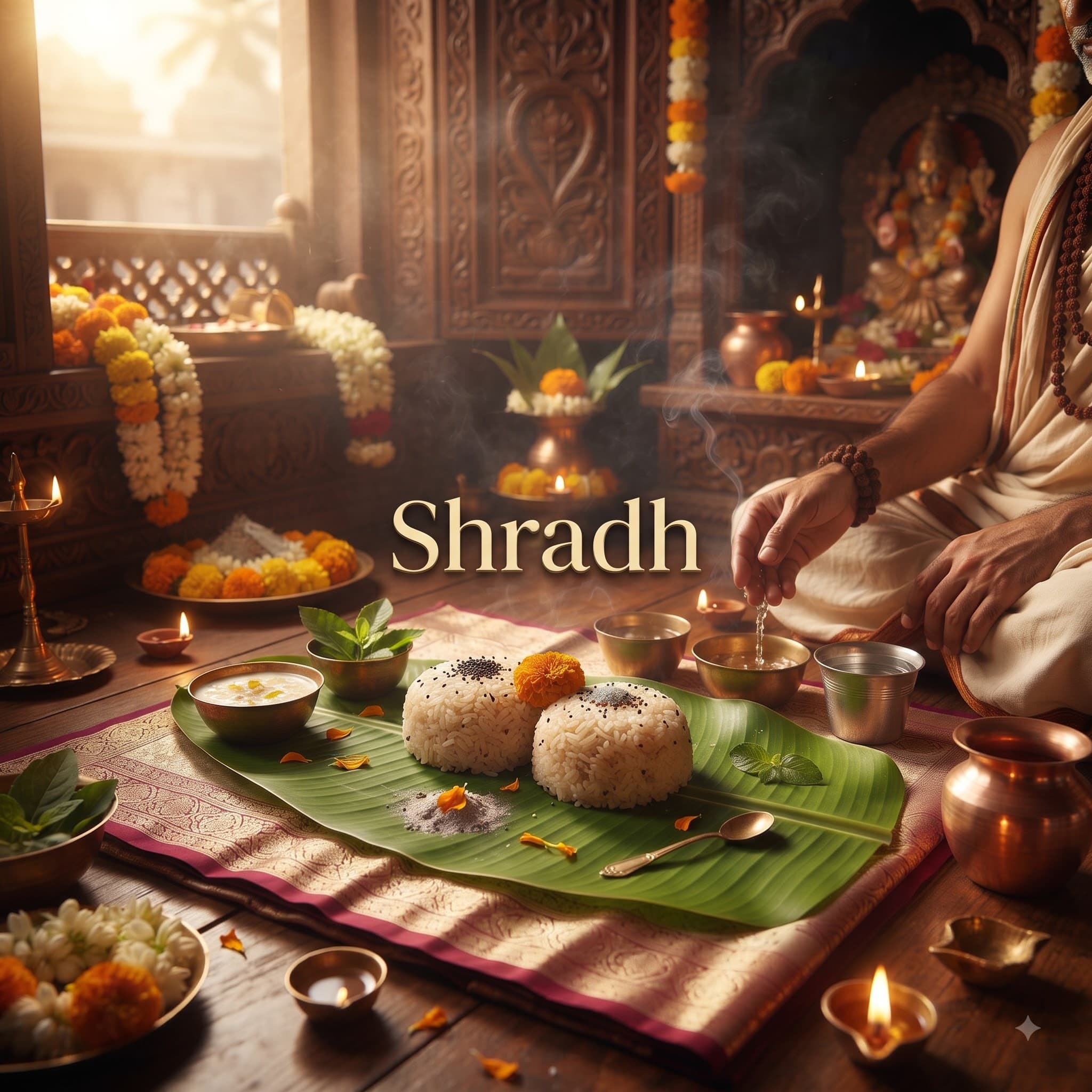
Shradh Puja is one of the most revered ancestral rituals in Sanatan Dharma, performed to express gratitude, remembrance, and respect for departed parents, grandparents, and forefathers (Pitrs). The word Shradh is derived from "Shraddha", meaning faith and devotion, signifying that the ceremony is performed with sincerity and reverence. According to Hindu tradition, Shradh is performed to honor the memory of ancestors, offer prayers for their peace, and seek their blessings for the happiness, health, and prosperity of future generations. The ceremony generally includes Ganesh Puja, Sankalp, Vishnu Puja, Pitru Tarpan, Pind Daan (where followed), Brahmin Bhojan (optional), Daan (charity), Pitru Prarthana, and concluding Aarti. Shradh is commonly performed on the annual Tithi (lunar day) of the departed person. If the Tithi is unknown or cannot be observed, many families perform the ceremony during Pitru Paksha, particularly on Sarva Pitru Amavasya (Mahalaya Amavasya). The rituals may be performed at home, in a temple, at a sacred pilgrimage site, or near a holy river under the guidance of an experienced Vedic Pandit.
Honor your ancestors with Shradh Puja performed by experienced Vedic Pandits, offering prayers, gratitude, and remembrance while seeking peace for the departed souls and blessings for your family.
- •
Honor and remember departed ancestors
- •
Offer prayers for peace and spiritual well-being
- •
Express gratitude for the guidance and values received from previous generations
- •
Seek blessings for family harmony, health, and prosperity
- •
Preserve family traditions and cultural heritage
- •
Encourage charity, compassion, and remembrance
- •
Strengthen the connection between generations through sacred rituals
The puja area is cleaned and sanctified
Ganesh Puja is performed for an auspicious beginning
Sankalp is taken in the names of the departed ancestors
Lord Vishnu is worshipped
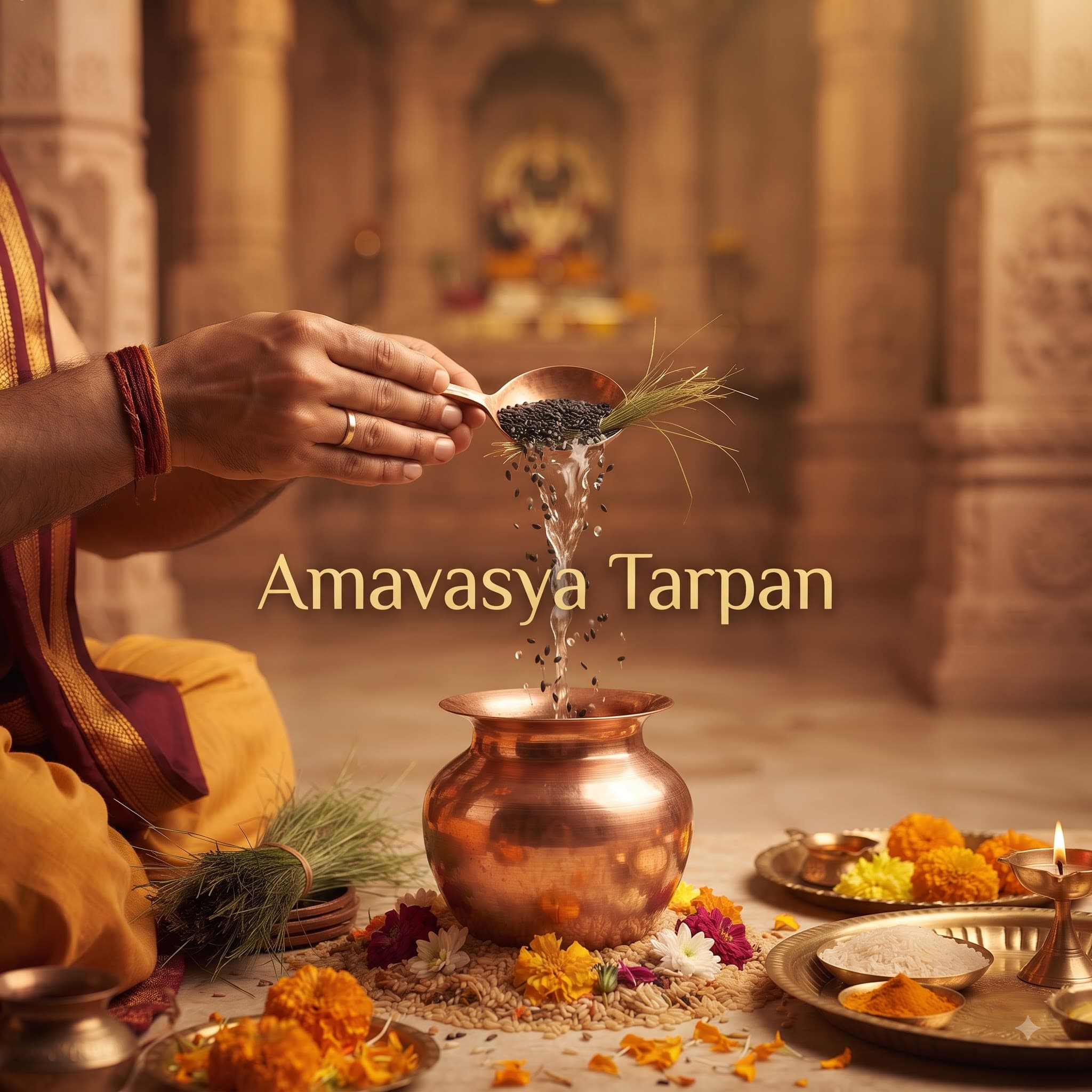
Pitru Tarpan is performed with water and black sesame seeds
Pind Daan is offered (where applicable)
Shradh mantras and Pitru prayers are recited
Brahmin Bhojan and Dakshina are offered (if arranged)
Charity (Daan) is performed according to family tradition
Aarti and peace prayers are offered
Prasad is distributed
The ceremony concludes with blessings from the Pandit
- Samagri: Included
- Home Service: Yes
- Temple Service: Yes
- Online Service: No
When should Shradh be performed?
Shradh is traditionally performed on the annual Tithi (lunar day) of the departed person. If that is not possible, many families observe it during Pitru Paksha, especially on Sarva Pitru Amavasya.
Can Shradh be performed at home?
Yes. Shradh can be performed at home, at a temple, or at another suitable location under the guidance of an experienced Pandit.
Is Pind Daan compulsory?
No. The inclusion of Pind Daan depends on your family's traditions, regional customs, and the advice of the officiating Pandit.
Is Brahmin Bhojan mandatory?
No. It is a respected traditional practice followed by many families but is optional and depends on personal beliefs and customs.