Tulsi Vivah Puja
Choose Your Package
For Booking Service,Advance Payment Will Be Required
100 % Safe & Trusted
SECURE SSL ENCRYPTED PAYMENT
Tulsi Vivah Puja
About Tulsi Vivah Puja
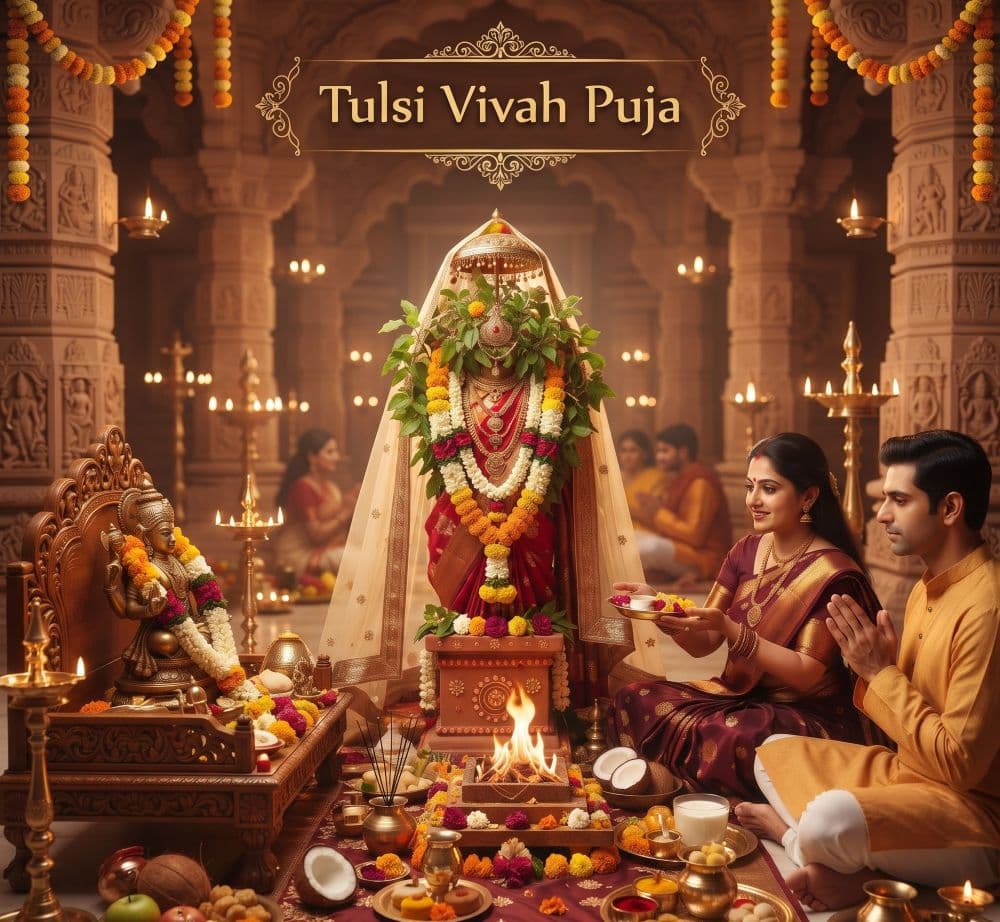
Tulsi Vivah Puja is a sacred Hindu ceremony that symbolizes the ceremonial marriage of Tulsi Devi (Holy Basil) with Lord Vishnu in the form of Shaligram (or Lord Krishna in some family traditions). It is celebrated on Prabodhini Ekadashi or Dwadashi during the month of Kartik and marks the beginning of the traditional Hindu wedding season. Tulsi is regarded as a symbol of purity, devotion, and auspiciousness. The ceremonial wedding represents the union of devotion with the Divine and is performed with the same joy and rituals as a traditional Hindu wedding. During the ceremony, Tulsi is beautifully decorated as a bride, while Shaligram or Lord Krishna is adorned as the groom. The rituals include Ganesh Puja, Sankalp, Tulsi Pujan, Vivah Vidhi, Mangal Aarti, and Prasad distribution. Families perform Tulsi Vivah seeking blessings for peace, prosperity, family harmony, marital happiness, spiritual growth, and overall well-being. It is also an occasion to strengthen family traditions and pass cultural values to the younger generation. The puja is commonly performed in homes, temples, and community spaces where a Tulsi plant is available.
Celebrate the divine union of Tulsi Devi and Lord Vishnu with a traditional Tulsi Vivah Puja, seeking blessings for prosperity, family harmony, devotion, and auspicious beginnings.
- •
Strengthens marital happiness and mutual understanding
- •
Marks the beginning of the traditional wedding season
- •
Preserves family traditions and cultural values
- •
Inspires gratitude, compassion, and devotion
- •
Seeks the blessings of Lord Vishnu and Tulsi Devi
- •
Invokes peace, prosperity, and family harmony
- •
Encourages devotion and spiritual growth
- •
Brings positivity and auspiciousness into the home
The Tulsi Vrindavan and puja area are cleaned and decorated
Tulsi Devi is decorated as the bride with flowers, Chunari, and ornaments
Shaligram or Lord Krishna is decorated as the groom
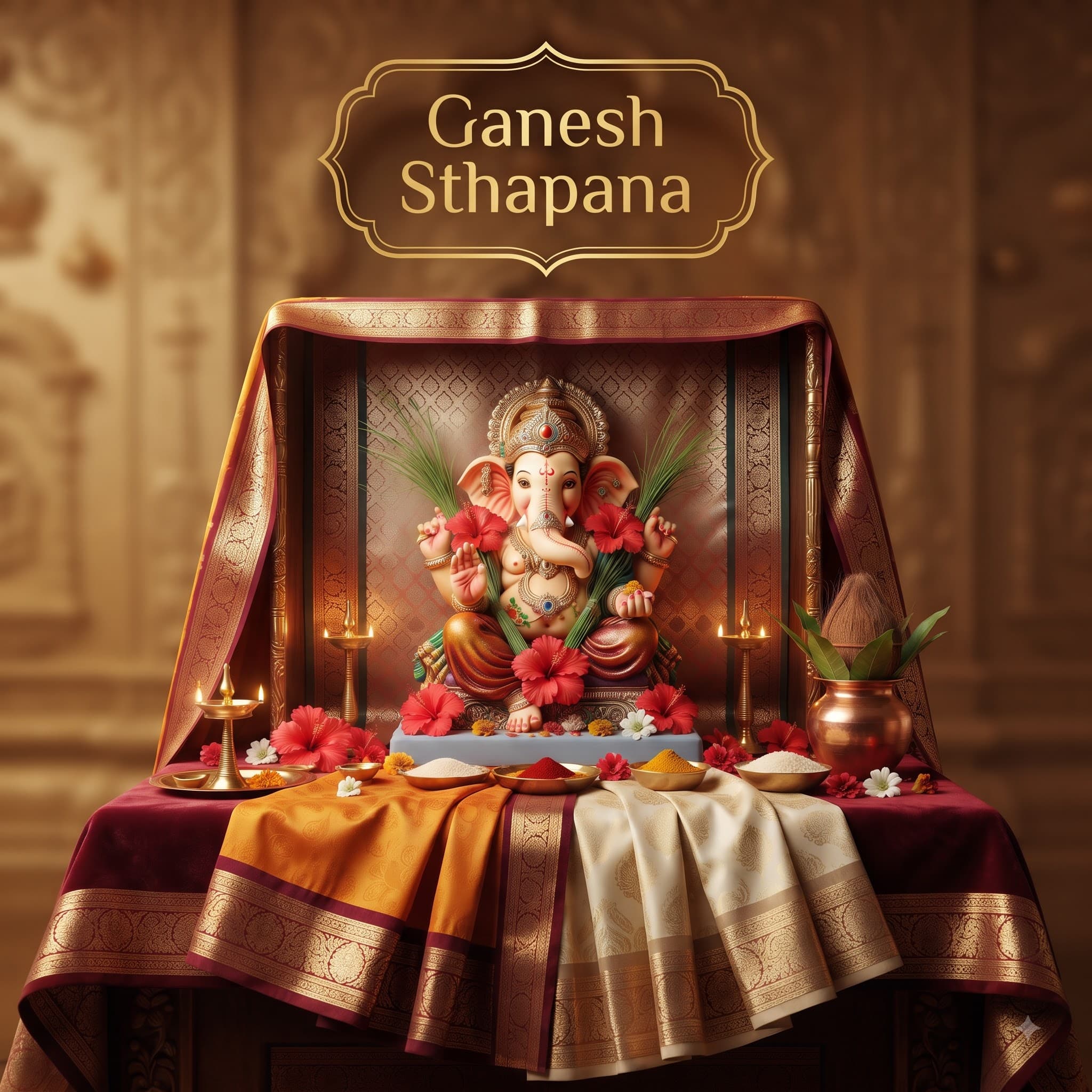
Lord Ganesha is worshipped for an auspicious beginning
Sankalp is taken in the names of the family members
Kalash Sthapana is performed
Tulsi and Shaligram are worshipped with flowers, Akshat, sandalwood paste, fruits, and sweets
The symbolic Vivah ceremony is performed, including Mangalashtak (where traditionally followed), exchange of garlands, and tying of the sacred thread
Vishnu mantras and devotional hymns are chanted
Aarti is performed with family participation
Prasad is distributed
The ceremony concludes with blessings for prosperity, devotion, and family happiness
- Samagri: Included
- Home Service: Yes
- Temple Service: Yes
- Online Service: No
Can Tulsi Vivah be performed at home?
Yes. It is traditionally performed at home wherever a Tulsi plant is present. It can also be conducted at temples and community gatherings.
Is a Shaligram necessary?
Many traditions use Shaligram to represent Lord Vishnu, while others use an idol or picture of Lord Vishnu or Lord Krishna. The Pandit will perform the ceremony according to your family's customs.
Is Havan compulsory?
No. Havan is optional and can be selected as an add-on or included in the Premium package.
Can children participate?
Yes. Children are encouraged to take part by offering flowers, participating in the Aarti, and learning about the significance of the festival.