Vivah
Choose Your Package
For Booking Service,Advance Payment Will Be Required
100 % Safe & Trusted
SECURE SSL ENCRYPTED PAYMENT
Vivah
About Vivah
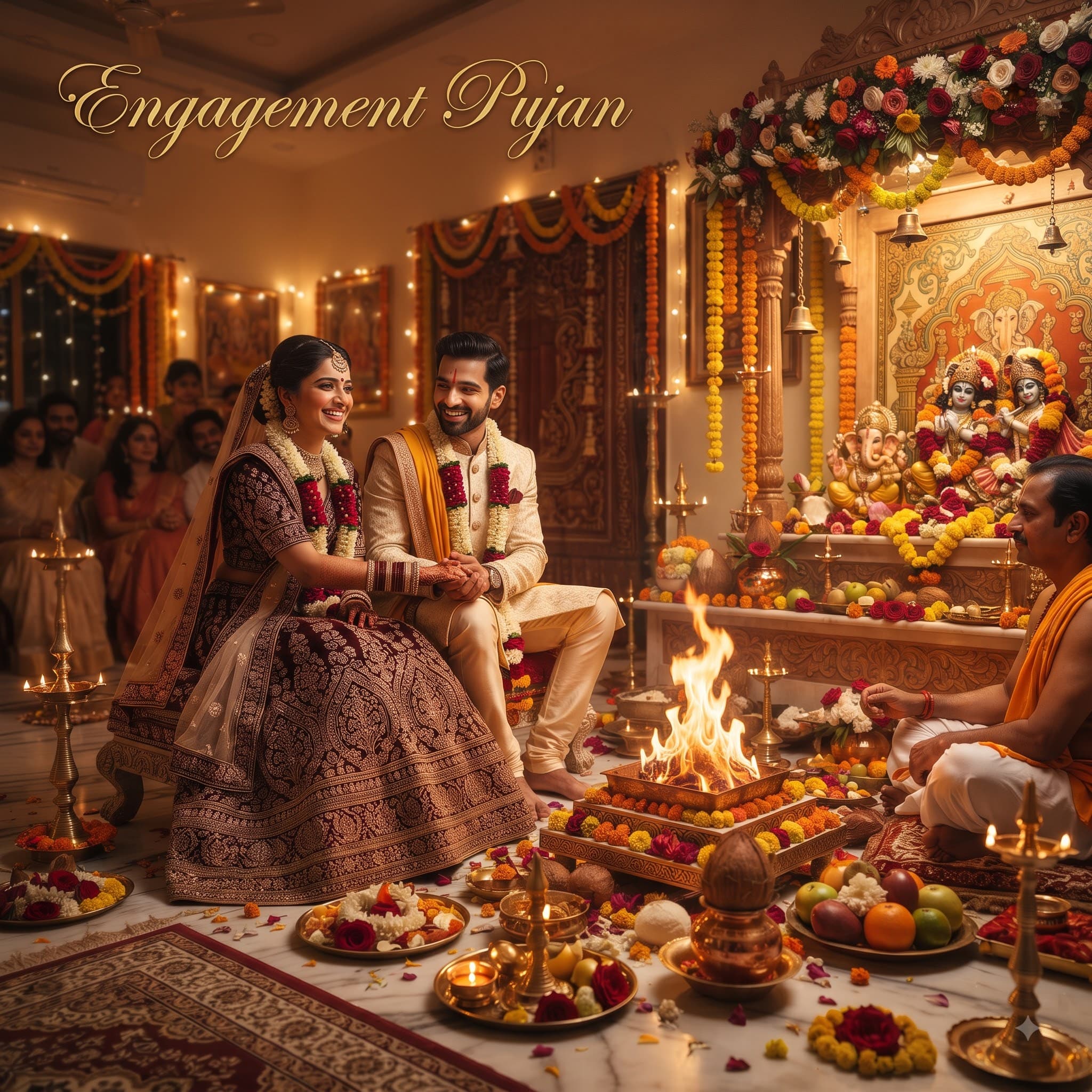
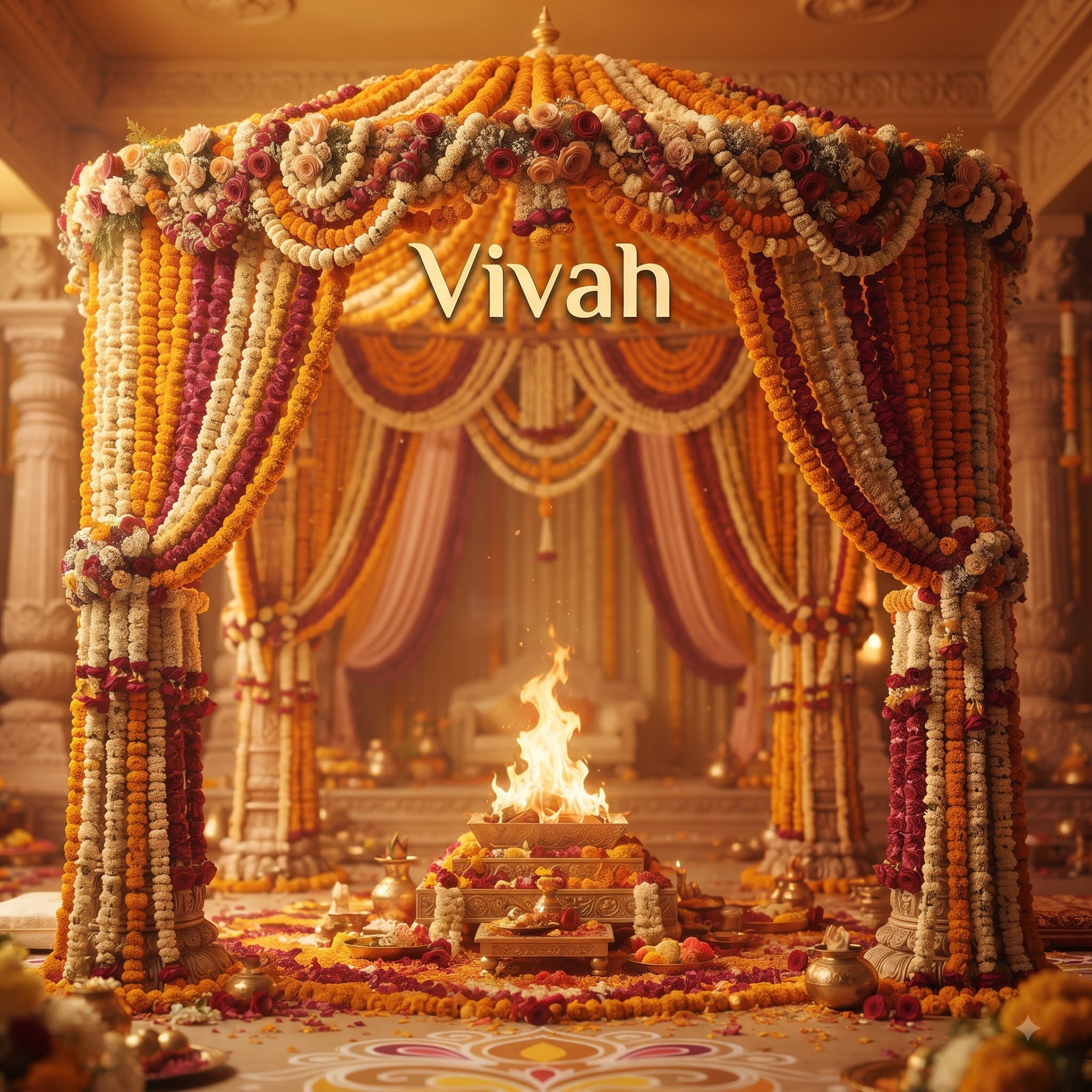
Vivah Sanskar is one of the most sacred and significant of the sixteen Hindu Sanskars, symbolizing the union of two individuals and the coming together of two families. It is not merely a social event but a spiritual commitment based on love, trust, respect, responsibility, and lifelong companionship. The wedding ceremony is performed according to Vedic traditions under the guidance of an experienced Pandit. It includes the chanting of sacred mantras, invocation of divine blessings, and rituals that signify mutual commitment, prosperity, harmony, and family life. Every ritual in a Hindu wedding carries symbolic meaning—from welcoming the groom to Kanyadaan, Mangal Pheras (Saptapadi), Sindoor Daan, and Mangalsutra Dharan. These ceremonies represent the values of partnership, mutual respect, and shared responsibilities. The exact sequence of rituals may vary depending on the family's regional traditions, community customs, and personal preferences. Our Pandits respect and accommodate these traditions while ensuring that the ceremony remains authentic and meaningful. Vivah can be performed at homes, marriage halls, temples, hotels, resorts, destination wedding venues, or outdoor locations.
Celebrate the sacred bond of marriage with a traditional Vedic Vivah ceremony, guided by experienced Pandits and personalized according to your family's customs and traditions.
- •
Seeks divine blessings for a happy and prosperous married life
- •
Marks the beginning of a lifelong partnership based on trust and respect
- •
Invokes harmony, love, and mutual understanding
- •
Brings together families in celebration and blessings
- •
Preserves cherished Vedic traditions and cultural values
- •
Creates lifelong spiritual and emotional memories
- •
Encourages shared responsibilities and commitment
- •
Begins a new journey with prayers for health, happiness, and prosperity
Ganesh Pujan
Punyahavachan (Purification Ritual)
Vara Swagat (Welcoming the Groom)
Madhuparka Ceremony (where traditionally followed)
Sankalp by both families
Kanya Agaman (Arrival of the Bride)
Kanyadaan
Hastamilap (Joining of Hands)
Mangal Granthi (Sacred Knot)
Agni Sthapana
Mangal Pheras around the sacred fire
Saptapadi (Seven Sacred Steps)
Sindoor Daan
Mangalsutra Dharan
Ashirvad by elders
Aarti and conclusion
- Samagri: Included
- Home Service: Yes
- Temple Service: Yes
- Online Service: No
Can the wedding be customized according to our community traditions?
Yes. Our Pandits conduct weddings according to your family's regional traditions, community customs, and preferred rituals while preserving the essence of Vedic marriage.
Can the ceremony be performed in English or Hindi?
Yes. The Pandit can explain the significance of important rituals in Hindi, English, or the local language (subject to availability), making the ceremony more meaningful for everyone present.
Is Havan compulsory?
In a traditional Vedic wedding, the sacred fire (Agni) is central to the marriage ceremony. If there are venue restrictions, please discuss them with the Pandit beforehand to explore suitable alternatives where possible.