
Featured Snippet
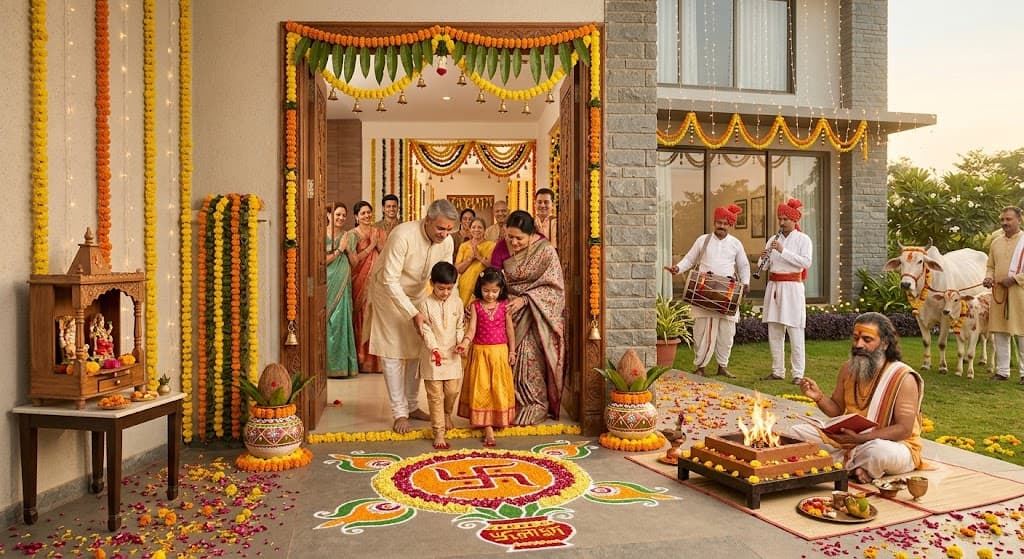
Griha Pravesh Puja is a traditional Hindu housewarming ceremony performed before entering a new home for the first time. It seeks divine blessings for peace, prosperity, health, and harmony while symbolically purifying the house and marking the beginning of a new chapter in life.
Table of Contents
1. Introduction
2. What is Griha Pravesh Puja?
3. Why is Griha Pravesh Important?
4. Types of Griha Pravesh
5. Spiritual Significance
6. Benefits of Performing Griha Pravesh Puja
7. When Should You Perform Griha Pravesh?
8. Complete Griha Pravesh Checklist
9. FAQs
10. Conclusion
Introduction
Buying or building a new home is one of life's most significant milestones. A home is more than just a physical structure—it is a place where families grow, celebrate special occasions, and create lifelong memories. Across India, many families begin this new chapter by performing Griha Pravesh Puja, a traditional housewarming ceremony that symbolizes gratitude, positivity, and new beginnings. The Sanskrit words Griha (house) and Pravesh (entry) together mean "entering a home." According to Hindu traditions, moving into a new residence is considered an auspicious event, and many families choose to perform a puja before occupying the property. The ceremony typically includes prayers to Lord Ganesha, Vastu Devata, and other deities, along with Vedic mantras and offerings, to seek blessings for peace, prosperity, and harmony. Different regions of India observe Griha Pravesh in unique ways, but the underlying purpose remains the same: to welcome positive energy into the home and begin life in the new space with gratitude and devotion. Today, families often relocate to different cities for work or education, making it challenging to find experienced Pandits familiar with their regional customs. Online platforms like BookMyPanditjee make it easier to connect with verified Pandits and arrange Griha Pravesh ceremonies conveniently while respecting traditional practices. This guide explains the importance of Griha Pravesh Puja, the different types of ceremonies, the benefits, the ideal timing, and a comprehensive checklist to help you prepare.
What is Griha Pravesh Puja?
Griha
Pravesh Puja is a Hindu ceremony traditionally performed before
entering a newly
constructed,
newly purchased, or newly renovated home for the first time.
The puja
is generally conducted after the house is completed and cleaned but
before
regular
living begins. It often includes:
• Ganesh Puja
• Kalash Sthapana
• Vastu Shanti Puja (if applicable)
• Navagraha prayers (depending on family traditions)
• Havan (sacred fire ritual)
• Boiling milk ceremony
• Aarti
• Distribution of Prasad
The exact rituals vary according to regional customs and the guidance of the officiating Pandit.
Why
is Griha Pravesh Important?
For many
families, a home represents years of planning, savings, and
aspirations. Griha
Pravesh
is therefore seen as an opportunity to begin this new chapter with
prayers and
blessings.
The
ceremony is traditionally performed to:
• Mark the first entry into the new home.
• Express gratitude for achieving homeownership.
• Create a peaceful and positive atmosphere.
• Bring family members together in celebration.
• Honour cultural and family traditions.
• Begin living in the house with auspicious prayers.
While beliefs and practices vary, many families value the ceremony as a meaningful way to celebrate an important life milestone.
Types of Griha Pravesh
Different situations call for different forms of Griha Pravesh.
1. Apoorva Griha Pravesh
This is performed when entering a newly built home for the very first time. It is the most common form of Griha Pravesh and is usually accompanied by Vedic rituals and prayers.
Suitable for:
• Newly constructed houses
• Brand-new apartments
• Independent villas
2.
Sapoorva Griha Pravesh
This ceremony is traditionally observed when returning to one's home after a prolonged absence, such as after an extended stay abroad or a long period away from the residence.
3. Dwandwah Griha Pravesh
When a home has undergone major renovation, reconstruction, or restoration after significant damage, some families choose to perform a Griha Pravesh ceremony before reoccupying it.
Spiritual Significance of Griha Pravesh
The
housewarming ceremony is more than a traditional ritual. It
symbolizes a family's
hope for
a peaceful, happy, and prosperous life in their new home.
Many
families view the ceremony as an opportunity to:
• Offer prayers before beginning a new chapter.
• Bring loved ones together.
• Express gratitude.
• Strengthen spiritual values.
• Celebrate a major achievement.
The chanting of Vedic mantras, lighting of lamps, and offering of prayers create an atmosphere of devotion and togetherness.
Benefits
of Performing Griha Pravesh
Puja
1. Marks a New Beginning
Moving into a new home is one of the biggest milestones in life. The ceremony provides a meaningful way to begin this journey with family and friends.
2. Strengthens Family Bonds
Relatives and close friends often gather for the ceremony, making it a joyful family celebration.
3. Preserves Cultural Heritage
Performing traditional rituals helps pass customs and values from one generation to the next.
4. Creates a Positive Environment
The prayers, devotional chants, and collective participation contribute to a peaceful and welcoming atmosphere in the home.
5. Expresses Gratitude
The ceremony offers an opportunity to thank the divine for the blessings of a new home and to seek guidance for the future.
6. Encourages Community and Hospitality
Inviting relatives, neighbours, and friends reflects the spirit of sharing happiness and building relationships in a new neighbourhood.
7. Combines Multiple Auspicious Rituals
Many families choose to perform additional ceremonies during Griha Pravesh, such as:
• Satyanarayan Puja
• Vastu Shanti
• Ganesh Puja
• Lakshmi Puja
• Navagraha Puja
This allows them to celebrate multiple traditions together, depending on family customs.
When
Should You Perform Griha
Pravesh?
The timing of Griha Pravesh is traditionally chosen with care. Many families consult a knowledgeable Pandit to determine an auspicious date and time based on factors such as the Hindu calendar, family traditions, and personal preferences. Common occasions include: After construction is fully completed.
• Before occupying the house.
• On an auspicious Muhurat.
• During favourable months according to traditional beliefs.
• When all essential utilities are functional.
It is generally advisable to avoid conducting the ceremony while major construction work is still in progress.
Complete Griha Pravesh Checklist (Before the Ceremony)
Preparing in advance helps ensure a smooth and meaningful celebration. Consider the following checklist:
House Preparation
• Complete all major construction work.
• Thoroughly clean the home.
• Ensure electricity and water connections are operational.
• Decorate the entrance with flowers or torans.
• Prepare a clean and spacious area for the puja.
Invitations
• Invite close family members and friends.
• Inform guests of the ceremony timing.
Puja Arrangements
• Confirm the Pandit's availability.
• Discuss any regional customs or additional rituals.
• Arrange seating for participants.
Essentials
• Prepare traditional attire.
• Keep drinking water and refreshments ready.
• Arrange Prasad for distribution after the ceremony.
(Part 2)
Griha Pravesh Puja Checklist: Everything You Need Before Entering Your New Home (2026 Guide)
Complete Griha Pravesh Puja Vidhi (Step-by-Step)
The exact rituals of a Griha Pravesh Puja may vary depending on regional customs, family traditions, and the guidance of the officiating Pandit. However, most ceremonies follow a similar sequence designed to invoke blessings for the new home and its residents.
1. Choosing the Auspicious Muhurat
Before the ceremony, a Pandit helps determine an appropriate Shubh Muhurat based on the Hindu calendar (Panchang), family traditions, and the occasion. Selecting a suitable date and time is an important part of the preparation for many families.
2.
Decorating the Entrance
The entrance of the home is traditionally decorated to welcome guests and symbolize positivity. Common decorations include:
• Fresh flower garlands
• Mango leaf torans
• Rangoli
• Diyas (oil lamps)
• Banana stems (in many regions)
These decorations create a festive atmosphere and reflect the family's joy on entering their new home.
3. Entering the House
The lady of the house, or the couple together, usually enters first carrying a Kalash filled with water or a coconut, depending on regional traditions. In many households:
• The right foot is placed inside the house first.
• Family members chant prayers or devotional hymns.
• Bells or conch shells are sounded to mark the auspicious entry.
4.
Ganesh Puja
No Hindu ceremony traditionally begins without invoking Lord Ganesha. The Pandit performs Ganesh Puja by offering:
• Flowers
• Durva grass
• Kumkum
• Rice
• Incense
• Modak or sweets
The purpose is to seek blessings for a smooth and auspicious beginning.
5.
Kalash Sthapana
A sacred Kalash is installed at the puja area. The Kalash generally contains:
• Water
• Mango leaves
• Coconut
• Betel nut
• Coins
• Rice
It represents prosperity, purity, and abundance.
6. Vastu Shanti Puja
Many families include Vastu Shanti Puja as part of the Griha Pravesh ceremony. This ritual is traditionally performed to:
• Pray for harmony within the home
• Express gratitude for the new residence
• Begin life in the new space with positive intentions
The Pandit chants Vedic mantras while offering flowers, rice, and sacred substances into the Havan Kund if a Havan is performed.
7. Navagraha Puja (Optional)
Some families also perform Navagraha Puja , which honors the nine planetary deities according to Hindu tradition. This is often included when:
• Moving into a newly constructed house
• Beginning a new phase of life
• Following family customs
• As advised by the family's Pandit
8. Havan (Sacred Fire Ritual)
The Havan is considered one of the most important parts of the ceremony. Offerings such as:
• Ghee
• Samidha (sacred wood)
• Herbs
• Grains
• Havan Samagri
are offered into the sacred fire while Vedic mantras are chanted. Many devotees believe that the Havan creates a spiritually uplifting atmosphere and
symbolizes purification
9. Boiling Milk Ceremony
One of the most cherished traditions during Griha Pravesh is boiling milk in the new kitchen. When the milk boils over, it symbolizes:
• Prosperity
• Abundance
• Happiness
• Continuous growth
Many families prepare a sweet dish, such as kheer, from this milk and share it with guests as Prasad.
10. Lakshmi Puja
Some families perform a brief Lakshmi Puja after the Havan. This ceremony is dedicated to Goddess Lakshmi and is traditionally associated with prayers for prosperity and well-being.
11. Satyanarayan Puja (Optional)
Depending on family traditions, Satyanarayan Puja may also be performed on the same day as Griha Pravesh. Combining the two ceremonies is common because both celebrate new beginnings and gratitude.
12. Aarti
The ceremony concludes with Aarti. Family members gather together, sing devotional hymns, and offer prayers before distributing Prasad.
Complete Griha Pravesh Puja Samagri Checklist
Preparing the required items in advance helps ensure that the ceremony proceeds smoothly.
Essential Puja Items
• Wooden Chowki
• Red or Yellow Cloth
• Kalash
• Coconut
• Mango Leaves
• Betel Leaves
• Betel Nuts
• Flowers
• Flower Garlands
• Kumkum
• Turmeric
• Akshat (Rice)
• Sandalwood Paste
• Sacred Thread (Kalawa)
• Incense Sticks
• Camphor
• Ghee Lamp
• Cotton Wicks
Fruits
Traditionally, five or more varieties of fruits are offered.
Examples include:
• Banana
• Apple
• Orange
• Pomegranate
• Grapes
• Coconut
Dry Fruits
• Almonds
• Cashews
• Raisins
• Dates
Panchamrit Ingredients
• Milk
• Curd
• Honey
• Ghee
• Sugar
Havan Materials
• Havan Kund
• Samidha (Wood)
• Ghee
• Camphor
• Havan Samagri
• Herbs
Best
Muhurat for Griha Pravesh
Selecting an auspicious Muhurat is an important aspect of the ceremony for many families.
Generally, Pandits consider factors such as:
• Hindu Panchang
• Nakshatra
• Tithi
• Family traditions
• Regional customs
Months that are often regarded as favourable for Griha Pravesh include Magha, Phalguna, Vaishakha, and Jyeshtha , although the ideal timing depends on individual circumstances and the guidance of a qualified Pandit.
How Long Does Griha Pravesh Puja Take?
The duration depends on the rituals included. Typical duration:
Approximate Ceremony Time
Basic Griha Pravesh 1.5–2 Hours
With Havan 2–3 Hours
With Satyanarayan 3–4 Hours Puja
Complete Ceremony 4–5 Hours
Approximate Cost of Griha Pravesh Puja
The cost of a Griha Pravesh Puja varies based on several factors, including:
• City and location
• Experience of the Pandit
• Inclusion of Havan
• Inclusion of Vastu Shanti
• Puja Samagri arrangements
• Number of attendees
• Travel requirements
Rather than focusing only on cost, it is advisable to choose a knowledgeable Pandit who
understands your family's traditions and can conduct the ceremony with care.
Online Booking vs Traditional Booking
Feature
Online
Booking Traditional
Booking
Depends on personal Verified Pandits ✔ contacts
Online Scheduling ✔ Manual coordination
Booking Confirmation ✔ Not always available
Transparent Service ✔ May vary Details
Usually cash or direct Multiple Payment Options ✔ transfer
Customer Support ✔ Limited
Pan-India Reach ✔ Mostly local
Why Choose BookMyPanditjee for Griha Pravesh?
BookMyPanditjee is designed to make arranging religious ceremonies simpler while respecting traditional practices.
Verified
Pandits
Connect with experienced Pandits who can perform Griha Pravesh according to regional customs and family preferences.
Convenient Scheduling
Book your preferred date and time through the website or mobile app.
Multiple Languages
Choose Pandits familiar with different regional languages and traditions, subject to availability.
Wide Range of Services
In addition to Griha Pravesh, the platform offers:
• Satyanarayan Puja
• Vastu Shanti
• Ganesh Puja
• Lakshmi Puja
• Navagraha Puja
• Bhoomi Pujan
• Wedding Ceremonies
• Shradh Rituals
• Astrology Consultations
Common Mistakes to Avoid
Entering
Before the Puja
Many families prefer to perform the ceremony before moving furniture or beginning regular occupancy, in accordance with their traditions.
Choosing the Date Without Guidance
Consulting a knowledgeable Pandit helps ensure that the ceremony is planned according to your family's customs and preferred Muhurat.
Incomplete Puja Samagri
Preparing a checklist beforehand helps avoid interruptions during the ceremony.
Last-Minute Booking
Popular Muhurat dates often see high demand. Booking early gives you more flexibility and choice.
Forgetting Utility Checks
Before inviting guests, ensure that:
• Electricity is functional
• Water supply is available
• Kitchen is operational
• Washrooms are ready for use
Expert Tips
• Complete all painting and major renovations before the ceremony.
• Keep the puja area clean and uncluttered.
• Coordinate with the Pandit in advance regarding the required samagri.
• Arrange seating for elderly family members.
• Keep drinking water and refreshments available for guests.
• Involve children in simple rituals to help them learn about family traditions.
• Take photographs after the rituals are complete so everyone can participate without distractions.